what is keratosis pilaris rubra Keratosis pilaris
Keratosis Pilaris: A common but bothersome skin condition If you’ve ever noticed small, red, or flesh-colored bumps on your upper arms, thighs, or cheeks, you might have a skin condition called keratosis pilaris (KP). These bumps, which may feel rough or sandpaper-like, are caused by a buildup of keratin, a protein that protects skin from outside damage. While KP is harmless and often asymptomatic, it can be irritating and even embarrassing for some people. KP is most commonly found in children and adolescents, with about 50 percent of cases affecting those aged 11 to 30. It’s believed to be hereditary, as it often runs in families. However, KP can also develop at any age and may even improve or disappear on its own as a person gets older. There’s no one definitive treatment for KP, but there are steps you can take to help manage symptoms and improve the appearance of your skin. Here are some tips: 1. Keep your skin moisturized: Applying a moisturizer regularly can help soften rough patches and prevent new ones from developing. Look for products that contain urea, lactic acid, or salicylic acid, which can help exfoliate and smooth skin. 2. Avoid harsh soaps and hot water: These can dry out your skin and make KP worse. Stick with gentle, fragrance-free cleansers and use lukewarm water instead of hot. 3. Use a humidifier: Low humidity can make KP symptoms worse, especially during the winter months. Using a humidifier in your home can help keep your skin hydrated. In addition to these general tips, there are also certain treatments that may be recommended by a dermatologist. These can include: 1. Topical retinoids: These medications, derived from vitamin A, can help unclog pores and improve the texture of your skin. 2. Topical corticosteroids: These anti-inflammatory medications can help reduce redness and inflammation associated with KP. 3. Chemical peels: This treatment involves applying a solution to your skin that causes it to exfoliate and eventually peel off, revealing smoother skin underneath. While these treatments can be effective, they’re not a cure for KP, and symptoms may return after treatment ends. It’s also important to note that some treatments may cause side effects, such as dryness or irritation. In conclusion, keratosis pilaris may be a common and harmless skin condition, but it can still be bothersome for those who experience it. If you’re struggling with KP, we encourage you to speak with a dermatologist who can recommend a personalized treatment plan based on your individual needs. In the meantime, remember to keep your skin moisturized, avoid harsh soaps and hot water, and use a humidifier to help manage symptoms.
If you are searching about Keratosis Pilaris Rubra Treatment | Dorothee Padraig South West Skin you’ve came to the right place. We have 5 Images about Keratosis Pilaris Rubra Treatment | Dorothee Padraig South West Skin like Keratosis Pilaris Rubra | JAMA Dermatology | The JAMA Network, Keratosis Pilaris Rubra Treatment | Dorothee Padraig South West Skin and also Keratosis Pilaris Rubra Faceii Treatment | Dorothee Padraig South West. Here it is:
Keratosis Pilaris Rubra Treatment | Dorothee Padraig South West Skin
 www.dpsw.orgpilaris keratosis rubra health skin treatment conditions should know everyday
Keratosis Pilaris Rubra | JAMA Dermatology | The JAMA Network
 archderm.jamanetwork.compilaris keratosis rubra jamanetwork
Keratosis Pilaris - Útlitslækning
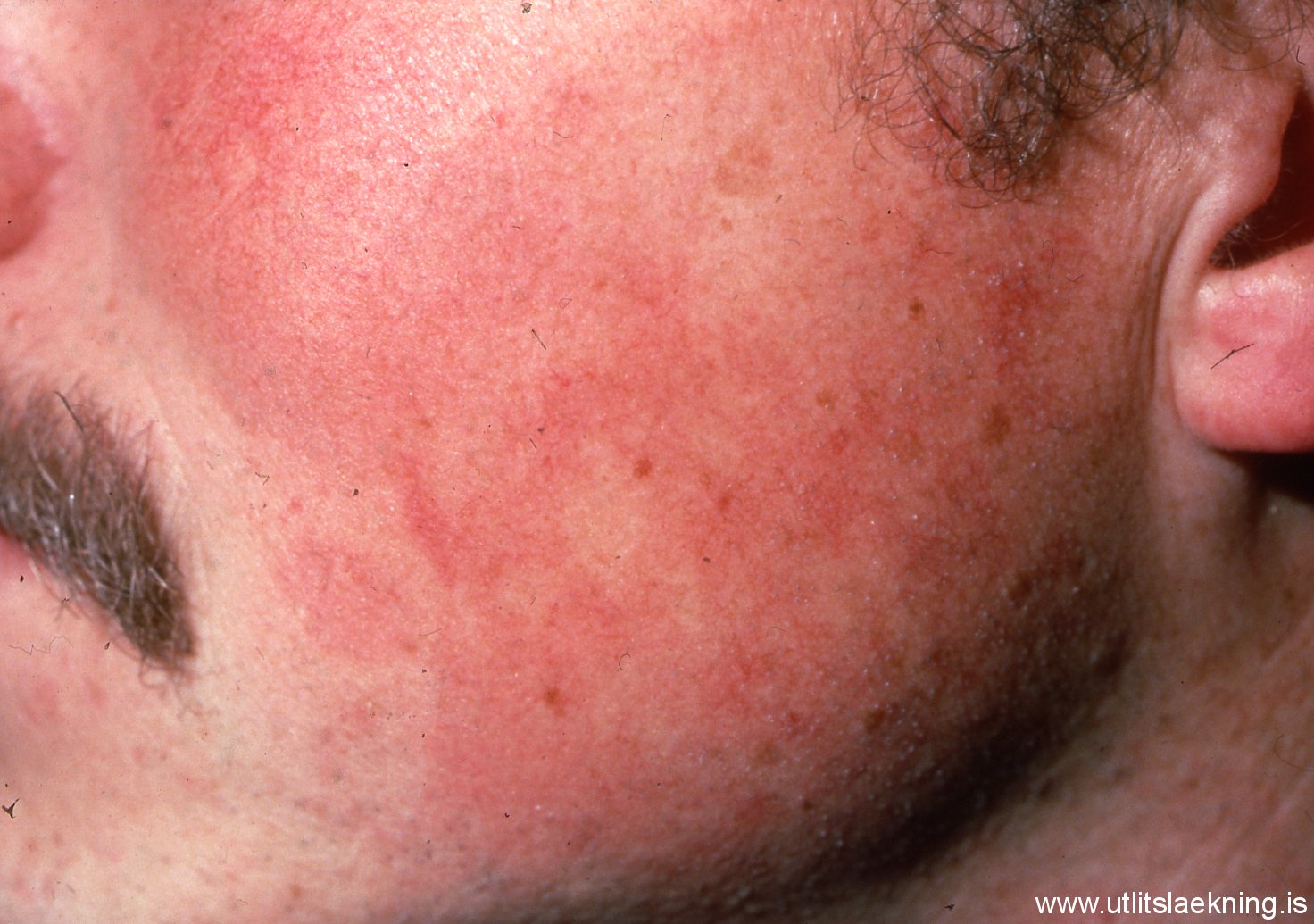 utlitslaekning.isKeratosis Pilaris | UF Health, University Of Florida Health
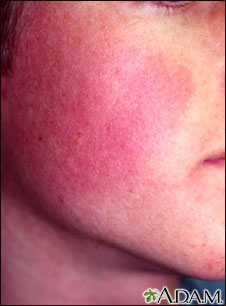 ufhealth.orgpilaris keratosis rubra skin acne med references
Keratosis Pilaris Rubra Faceii Treatment | Dorothee Padraig South West
 www.dpsw.orgpilaris keratosis rubra treatment kp bumps types skin cheeks ebook living pr deal press release learn web review untreated irritation
Keratosis pilaris rubra faceii treatment. Pilaris keratosis rubra health skin treatment conditions should know everyday. Pilaris keratosis rubra jamanetwork