how to find functional group 2.3 functional groups – organic chemistry i
Organic chemistry is a vast field that deals with the study of compounds containing carbon atoms. These carbon-based molecules are known to form a diverse range of functional groups, each with its own unique chemical properties and reactivity. Understanding these functional groups is crucial for chemists, as it enables them to predict how a given molecule will behave in different chemical reactions. One way to visualize the different organic functional groups is through the use of a functional group chart, as shown in the images below. These charts provide a quick and easy reference guide for identifying and classifying the various functional groups found in organic chemistry.  The chart displays a variety of organic functional groups, ranging from simple hydrocarbons to more complex carboxylic acids and esters. Each functional group is classified according to its unique chemical structure, such as the presence of certain functional groups like hydroxyl groups (-OH) or carbonyl groups (C=O). Some of the most common functional groups include alkanes, alkenes, alkynes, alcohols, ethers, amines, and carboxylic acids. Each functional group has its own unique properties, and can influence the behavior of a molecule in different ways. For example, alkanes are organic compounds that contain only carbon and hydrogen atoms bonded together by single bonds. They are generally unreactive in chemical reactions, due to the strength of the carbon-carbon and carbon-hydrogen bonds. On the other hand, functional groups like alcohols and carboxylic acids are highly reactive, due to the presence of polar functional groups that can participate in hydrogen bonding and other key chemical reactions.
 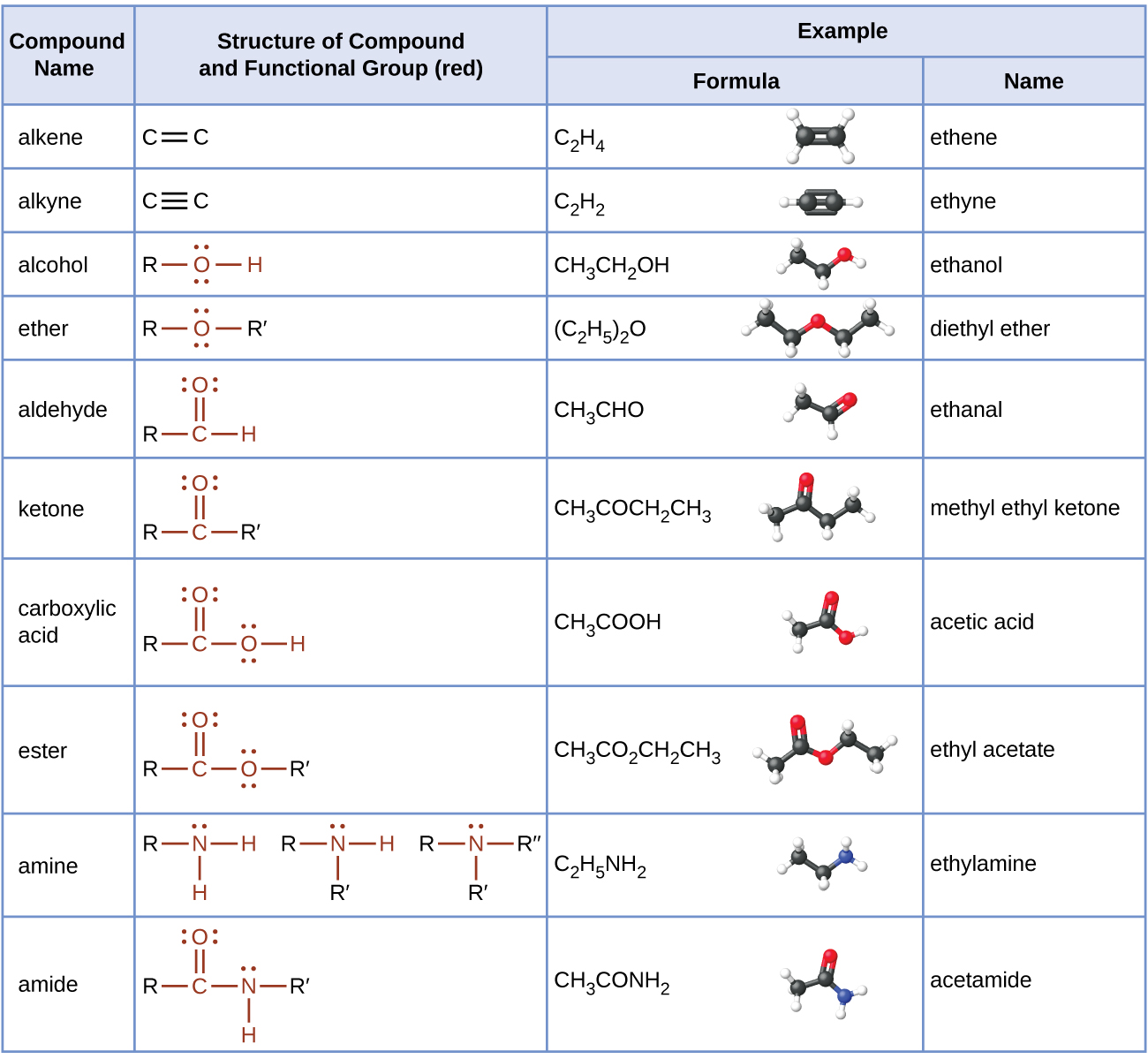 As shown in the above chart, a molecule’s functional group plays a critical role in determining its physical and chemical properties. For example, molecules containing polar functional groups are often more soluble in water than nonpolar molecules, due to the ability of polar functional groups to participate in hydrogen bonding with water molecules. In summary, understanding the different organic functional groups is a key component of studying organic chemistry. These functional groups play a critical role in determining a molecule’s physical and chemical properties, and can impact its reactivity in different chemical reactions. The use of functional group charts can be a helpful tool for quickly identifying and classifying the different functional groups found in organic chemistry.
If you are searching about Functional Groups in Organic Compounds | Compound Interest you’ve visit to the right place. We have 5 Images about Functional Groups in Organic Compounds | Compound Interest like 2.3 Functional Groups – Organic Chemistry I, Functional Groups in Organic Compounds | Compound Interest and also 4.2: The Functional Group - Chemistry LibreTexts. Here you go:
Functional Groups In Organic Compounds | Compound Interest
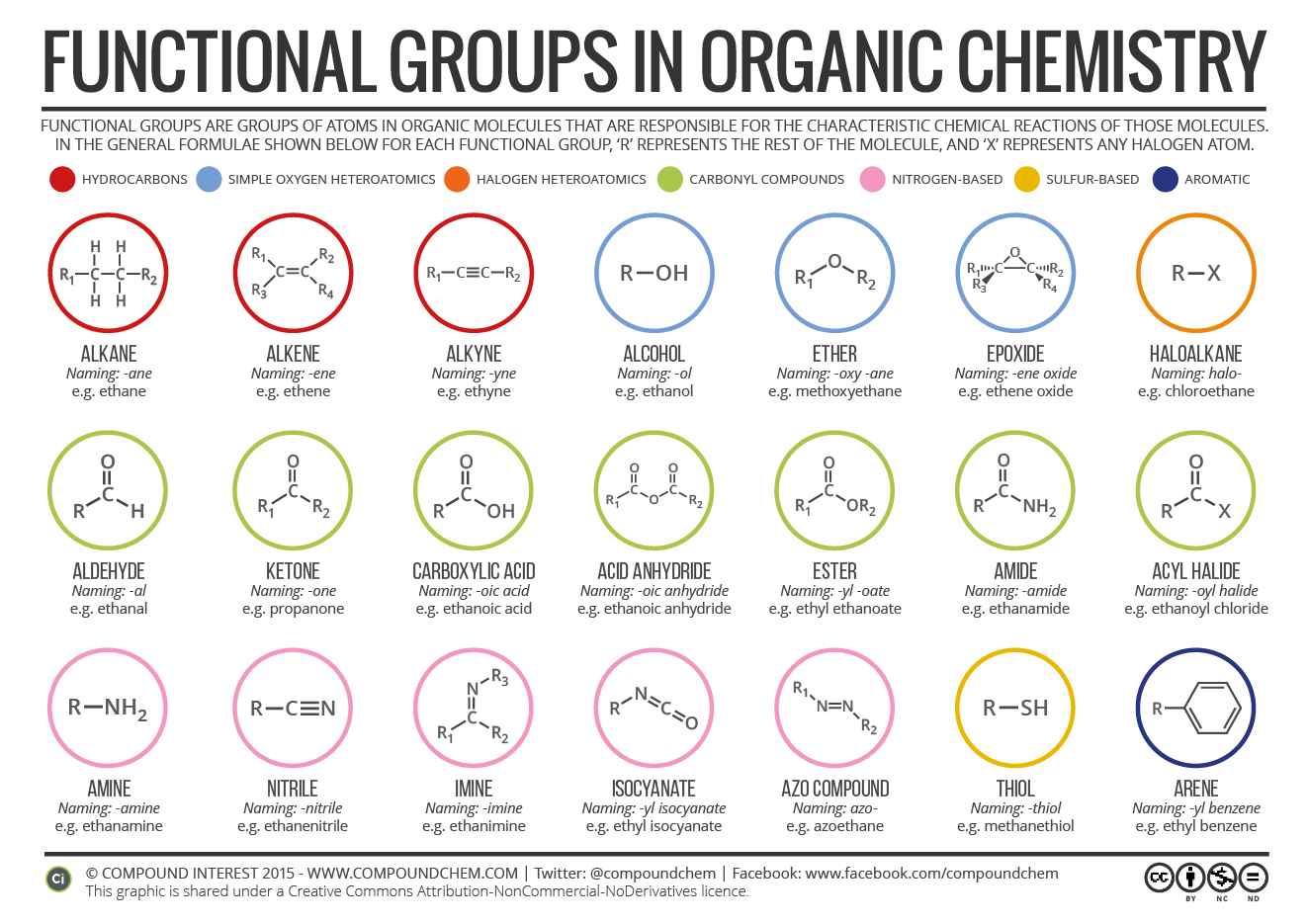 www.compoundchem.comfunctional organic groups compounds compound compoundchem interest
Organic Chemistry-Functional Groups - YouTube
 www.youtube.comchemistry
4.2: The Functional Group - Chemistry LibreTexts
chem.libretexts.orgchemistry chem amines amides amine amide cnx compounds formulas structural libretexts identifying carboxylic pageindex aldehyde ketone ether atom include alkene
Organic Functional Groups Chart – Expanded Edition | M A N O X B L O G
manoxblog.comchemistry compounds compoundchem molecules forensic laboratory iaq chimie organique requests explorations
2.3 Functional Groups – Organic Chemistry I
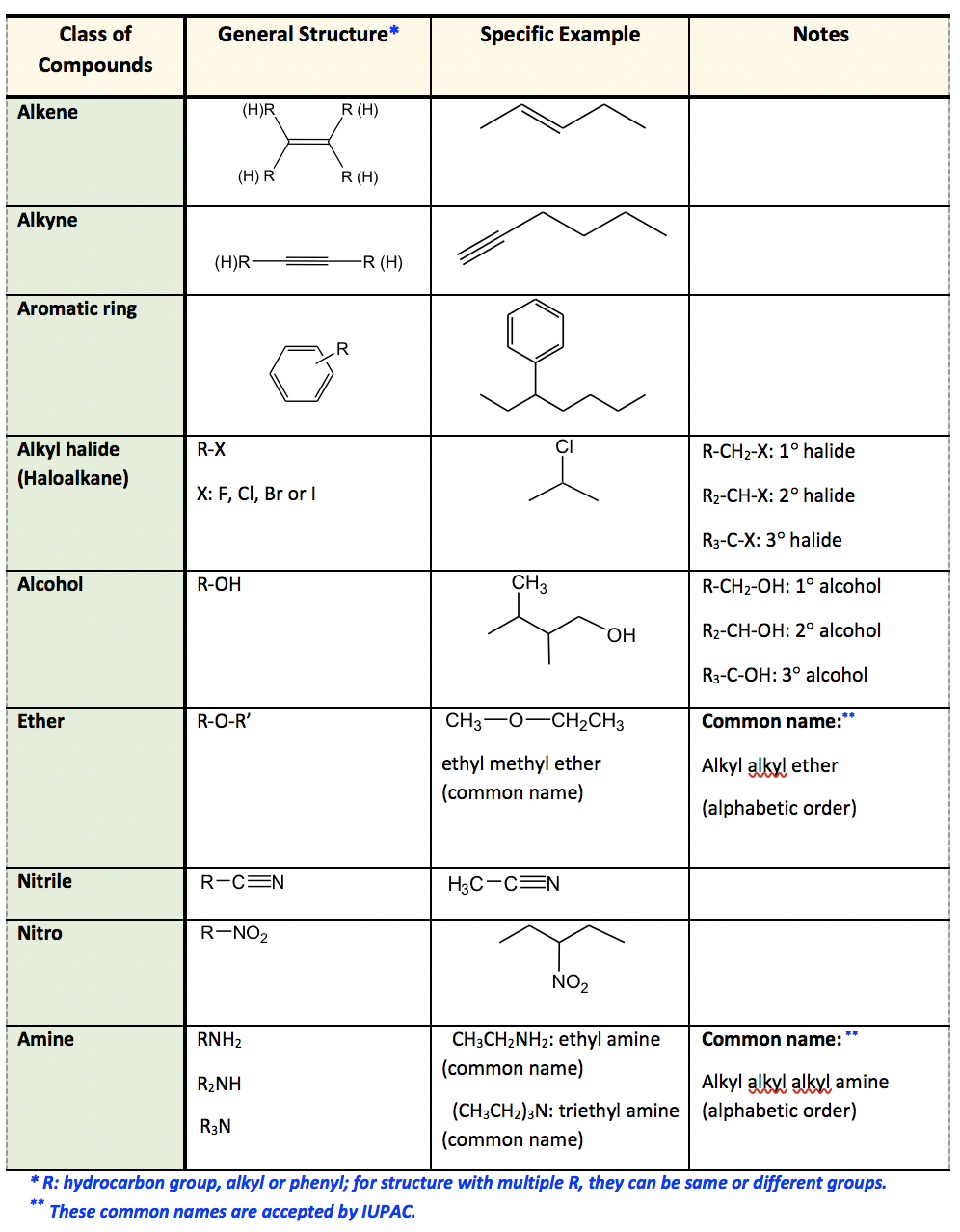 kpu.pressbooks.pubOrganic chemistry-functional groups. Chemistry compounds compoundchem molecules forensic laboratory iaq chimie organique requests explorations. Functional organic groups compounds compound compoundchem interest